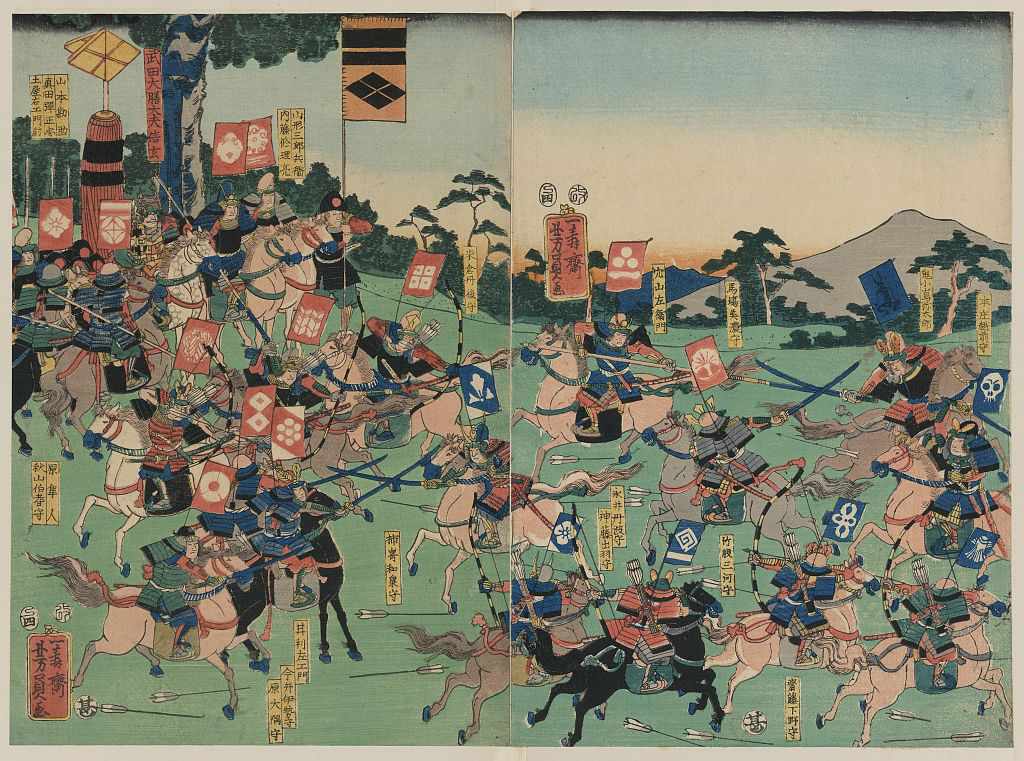
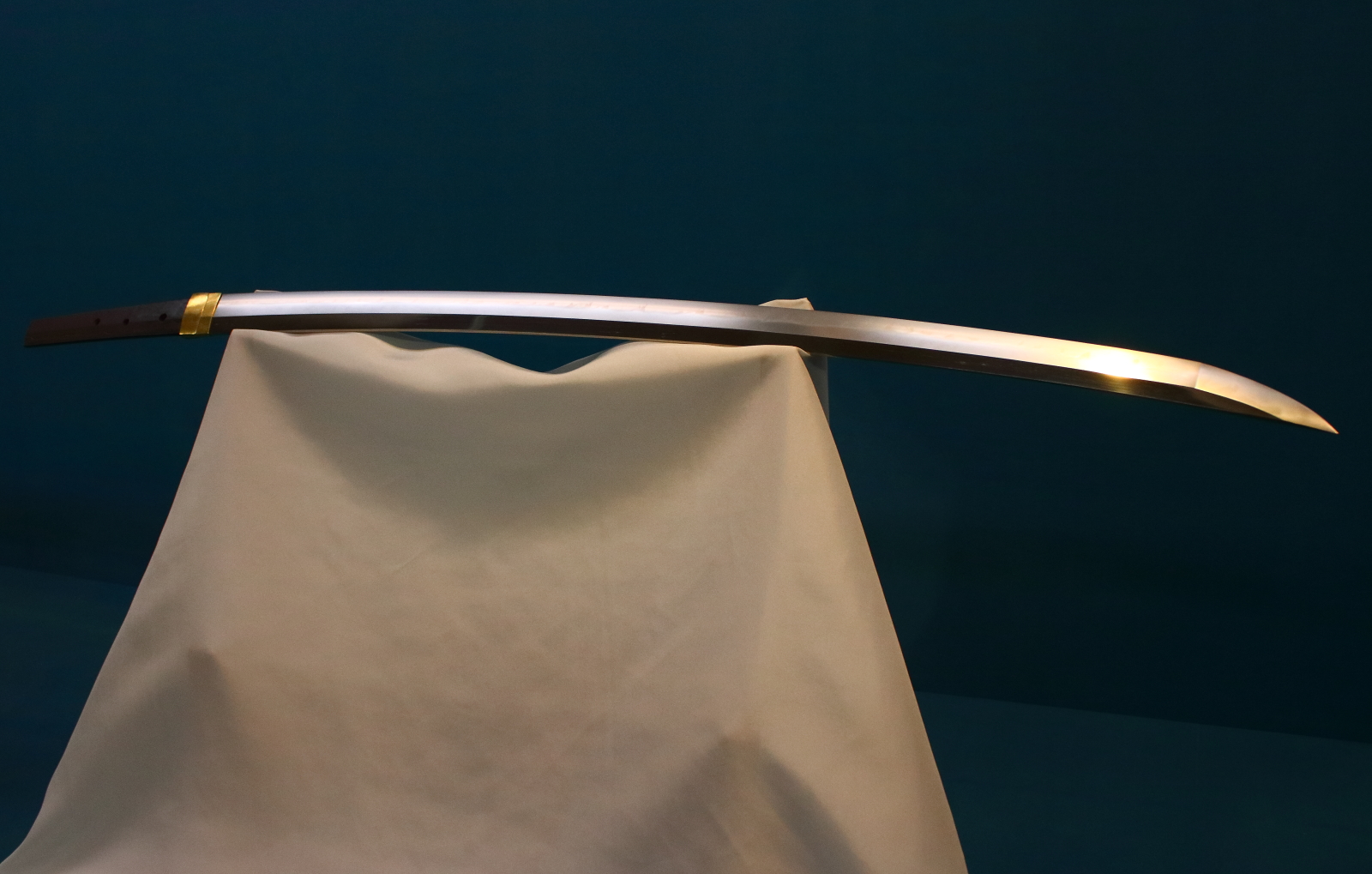
Curved Blade
One of the most recognizable characteristics of the Katana is its gracefully curved blade, known as a "nihonto." This curvature, combined with the single-edged design, enhances the sword's cutting efficiency and makes it particularly adept at delivering precise slicing motions.
Exceptional Sharpness
Crafted from high-quality steel and subjected to meticulous forging and sharpening processes, the Katana's blade achieves an unparalleled level of sharpness. This sharp edge allows for clean and efficient cuts, making it a formidable weapon in combat situations or for traditional practices like Tameshigiri (test cutting).

Optimal Balance
A well-crafted Katana offers a perfect balance between blade and hilt, ensuring optimal handling and maneuverability. This balance enables the wielder to execute swift and controlled strikes with ease, enhancing both offensive capabilities and defensive maneuvers.
Guard and Hilt Design
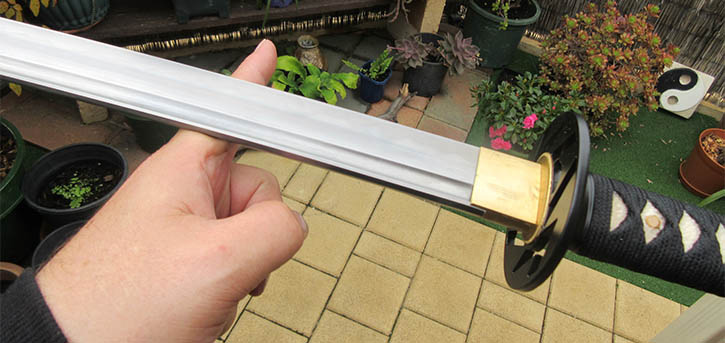
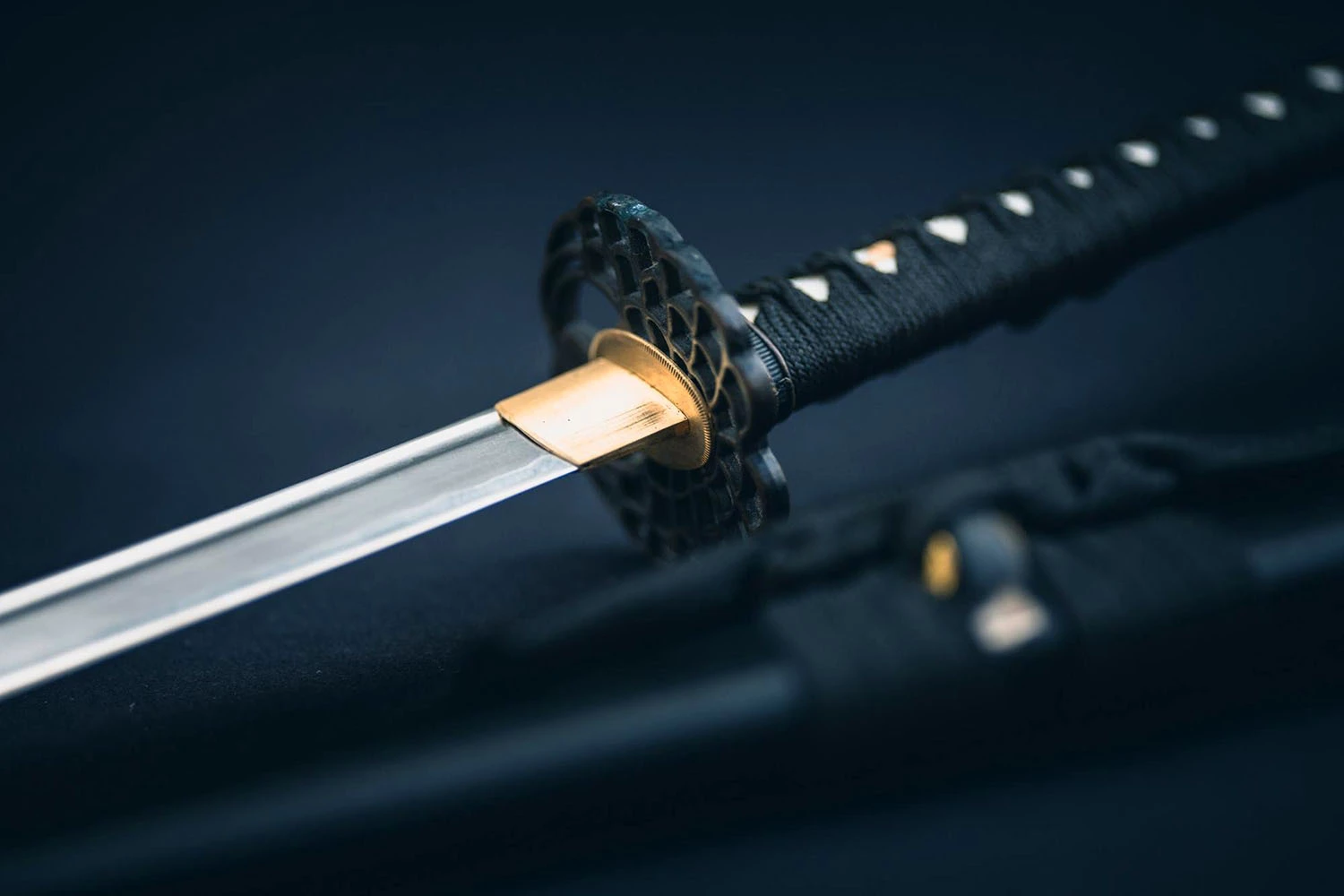
The Katana typically features a circular or square guard, known as a "tsuba," positioned between the blade and the hilt. This guard serves to protect the hand during combat while also adding to the aesthetic appeal of the sword. The hilt, or "tsuka," is often crafted from high-quality materials such as wood, wrapped in traditional bindings like silk or leather to provide a secure and comfortable grip.
Cultural Significance
Beyond its practical attributes, the Katana holds deep cultural significance in Japanese society. For centuries, it has been revered as a symbol of honor, loyalty, and martial prowess. Its craftsmanship reflects centuries of tradition and skill passed down through generations of swordsmiths, making each Katana not just a weapon, but a tangible connection to Japan's rich history and heritage.